The Doors Nobody Shuts in Your Tech Stack
Every tool in your stack is a login. Every login is a door. Most operators cannot say who is still holding the keys.
Here is a question worth putting to your next ops meeting. A general manager left one of your sites on Friday. By Monday morning, how many of your systems still think they work for you?
Most operators cannot answer that. Not because anyone has been sloppy. Because nobody in the business has ever been handed the question.
The stack got bigger. Nobody redrew the map.
A few years ago plenty of groups ran one all-in-one platform and considered the job done. That is not how the market works now. We recently sat down with a growing operator who has gone from a single system to seven separate platforms in under two years. EPOS, payments, stock, rota, ordering, training, comms. All best in class. All chosen deliberately.
Best of breed is usually the right call. The tools are sharper. The contracts are shorter. You are not hostage to one roadmap.
But every tool is a login. Every login is a door. Seven doors per employee, in the sector with the highest churn in the UK economy, stops being an IT detail and starts being an operating cost.
The numbers make this a board problem
- CIPD analysis puts hospitality attrition at around 52 per cent, against a UK average of roughly 34 per cent. The highest of any sector.
- Pineapple and Sona, looking at data from more than 35,000 hospitality employees, recorded team turnover falling from 75 per cent to 67 per cent. Improving. Still enormous.
- In that same dataset, labour has climbed to around 35 per cent of revenue.
Run that against your stack. Half your workforce changes in a year. Seven platforms each. That is thousands of joiner, mover and leaver events, every one handled by hand, by a general manager, usually mid service.
Three costs that never show up on a line
1. Day one. A new starter arrives for a busy shift. Instead of being walked round the pass, they spend forty minutes on a manager's laptop being set up across five systems, then another twenty resetting a password on their own phone. You have just spent your best first impression on admin. In a sector where a large share of leavers go inside ninety days, that first hour is worth more than most retention initiatives.
2. Ghost accounts. Per user per month pricing is now the norm. So every account you never closed is a live invoice. Multiply a handful of forgotten logins per site, by fifty sites, by seven platforms. You are funding a workforce that left months ago. Most operators have never run that report, because no single person owns it.
3. The door you left open. This is the one that should bother you. A leaver still sitting in the site group chat can see rota changes, staffing gaps and which manager is on tonight. Add a training platform they can still log into, or a stock system, and the exposure grows. It is rarely malice. It is just a door nobody shut.
The seasonal swing makes all of it worse
Hospitality does not offboard evenly. September is a wave of students leaving. November and December are a wave of temporary staff arriving. January is a wave of those same people leaving again. Every wave lands on the same general managers, on top of the trading period that pays for the year.
A process that only works in a quiet week is not a process.
So who actually owns it?
Here is the honest answer we hear most often when we sit down with operators. Ops assumes IT has it. IT assumes HR has it. HR assumes the system does it automatically. Nobody has checked.
It lives in the gap between three functions, which is precisely why it never makes anyone's quarterly objectives. It is also why it quietly leaks money and builds risk for years before anyone notices.
What good looks like
- One source of truth. Your HR system decides who works here. Everything else follows it. If you run different HR systems across regions or brands, they need to feed one view, not three.
- Rules, not requests. Permissions granted by role, site and region, automatically. A bar back in Leeds gets what a bar back in Leeds needs. No ticket. No favour.
- Movers handled properly. Most groups do joiners reasonably well and leavers badly. Almost nobody handles the transfer from one site to another. That is exactly where old logins linger.
- Licence visibility. You should be able to see, per platform, how many accounts you pay for versus how many are actually used. If you cannot, you are not negotiating your renewal properly either.
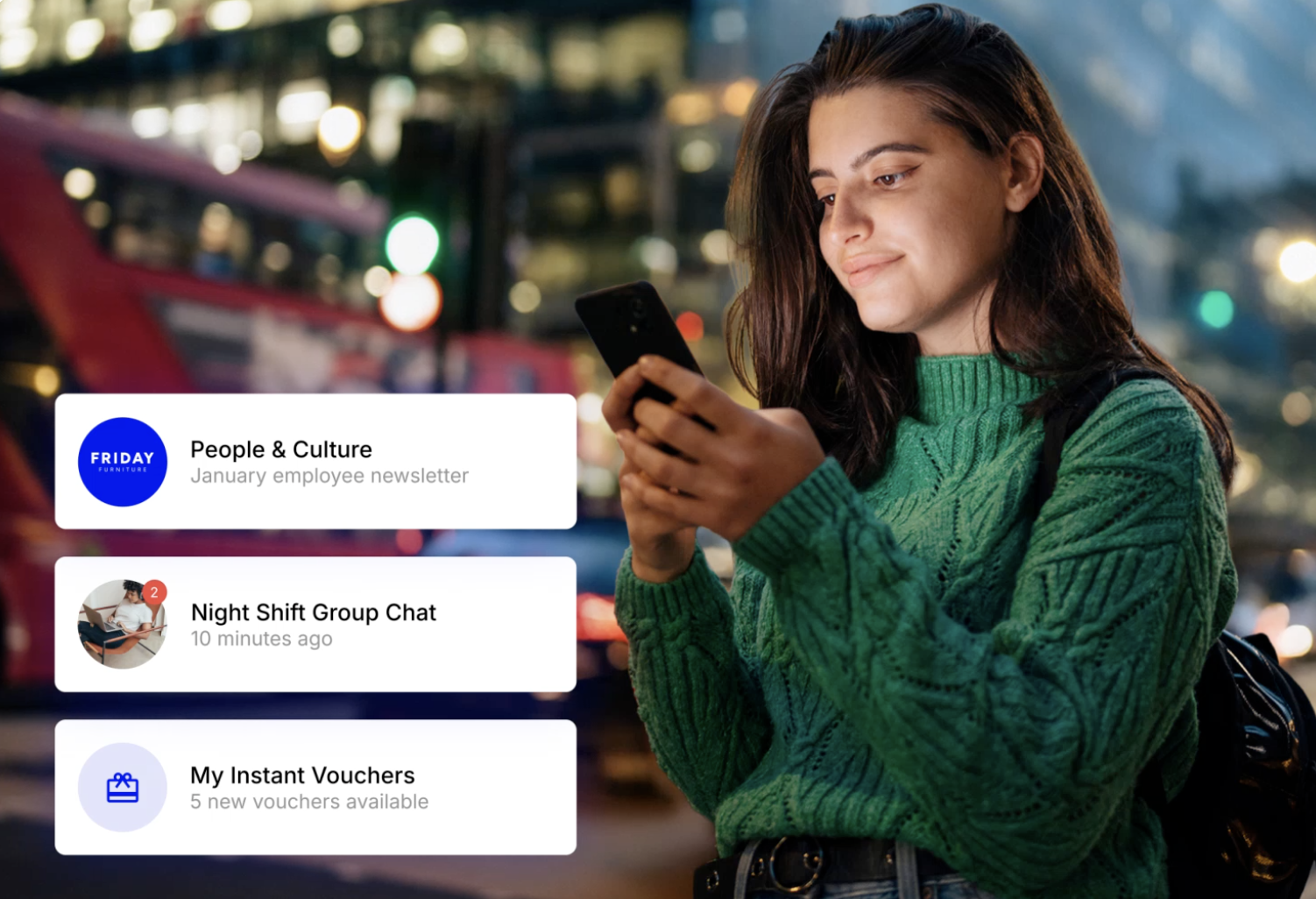
- Something a GM will genuinely use. Most identity tools were built for people sat at desks. Hospitality is not sat at a desk. If it does not work on a personal phone in under a minute, it will not get used.
Five questions to ask this week
- How many separate logins does a new starter need before their first shift?
- Who closes them down when someone leaves, and how do you know it actually happened?
- How many paid accounts sit across your stack, and how many belong to current employees?
- When someone moves site, what changes automatically and what does not?
- Which named person owns this? Not which department. Which person.
If question five is hard to answer, that is your finding.
Where to start
We ask versions of these questions every week, in person, with operators up and down the country. It is the same set of questions behind our free tech stack health check. Ten minutes, vendor agnostic, no commission on anything we recommend.
You can also see what operators are actually running on our marketplace.